Discover the best probiotic foods for gut health, digestion, immunity, and overall wellness with simple healthy eating tips.
Introduction
Your gut health affects more than just digestion.
A healthy gut may support:
- Better digestion
- Stronger immunity
- Improved energy
- Reduced bloating
- Better overall wellness
One of the easiest natural ways to support gut health is by eating probiotic foods.
Probiotics are healthy bacteria that may help balance your digestive system and improve gut function naturally.
The good news?
👉 Many probiotic foods are simple, affordable, and easy to include in your daily meals.
In this guide, you’ll discover the best probiotic foods for beginners and how they may help improve gut health naturally.
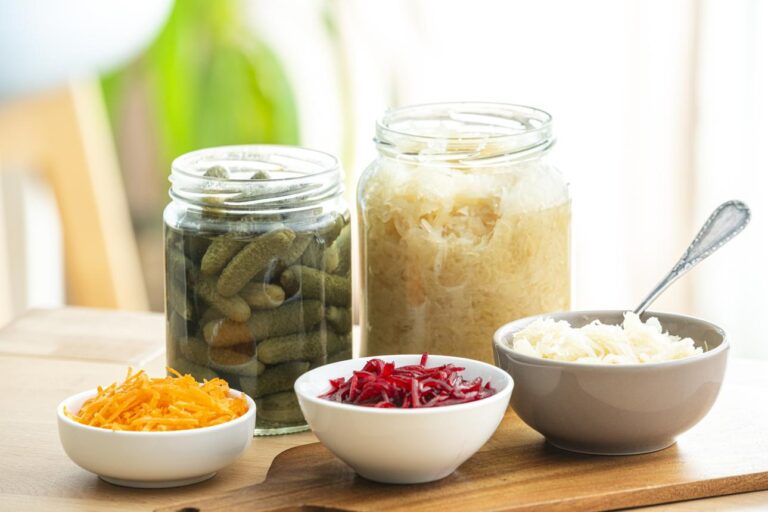
What Are Probiotic Foods?
Probiotic foods contain live beneficial bacteria that may support the balance of microorganisms in your digestive system.
🔬 Scientific Reason:
Healthy gut bacteria help with:
- Digestion
- Nutrient absorption
- Immune support
- Gut balance
An unhealthy gut microbiome may contribute to bloating, digestive discomfort, and low energy.
Digestion
Nutrient absorption
Immune support
Gut balance
An unhealthy gut microbiome may contribute to bloating, digestive discomfort, and low energy.
energy, fatloss, weightloss, healthtips, metabolism, fitness, wellness, nutrition, shorts, health.
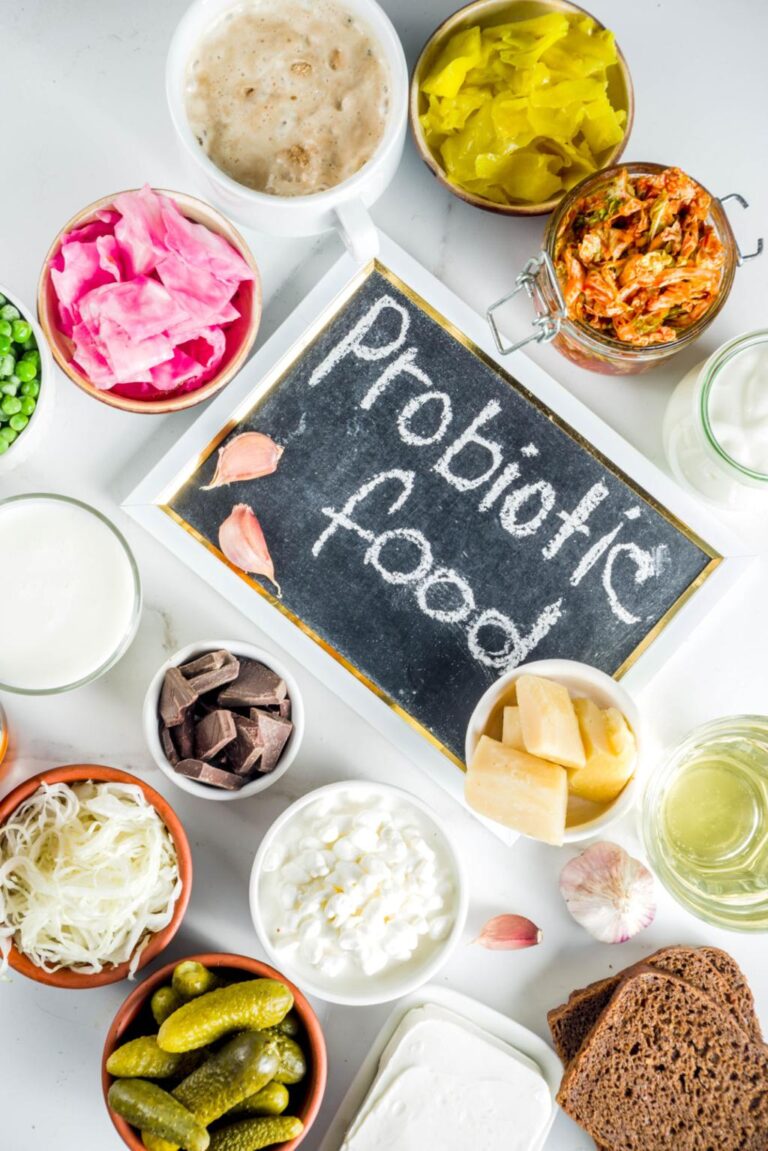
1. Yogurt
Yogurt is one of the most popular probiotic foods.
Benefits:
Supports digestion
Rich in probiotics
Good source of protein and calcium
👉 Choose plain yogurt with low added sugar.
🥤 2. Kefir
Kefir is a fermented milk drink rich in probiotics.
Benefits:
Supports healthy digestion
Contains multiple beneficial bacteria strains
👉 Start with small portions if you’re new to kefir.
🥬 3. Kimchi
Kimchi is a fermented Korean vegetable dish.
Benefits:
Rich in probiotics
Contains vitamins and fiber
👉 Choose lower-sodium versions when possible.
🥒 4. Pickles (Naturally Fermented)
Naturally fermented pickles may contain beneficial bacteria.
Important:
Not all pickles contain probiotics.
👉 Look for naturally fermented varieties.
🌱 5. Sauerkraut
Sauerkraut is fermented cabbage packed with probiotics and fiber.
Benefits:
Supports gut bacteria diversity
Contains antioxidants
👉 Add small portions to meals.
🥛 6. Buttermilk
Traditional buttermilk is a common probiotic drink in India.
Benefits:
Cooling and refreshing
Supports digestion
👉 Avoid versions with excess sugar.
🍲 7. Miso Soup
Miso is made from fermented soybeans.
Benefits:
Contains probiotics
May support gut balance
👉 Enjoy as part of balanced meals.
🧄 8. Tempeh
Tempeh is a fermented soybean product.
Benefits:
High in protein
Supports gut health
Good vegetarian option
🍎 9. Apple Cider Vinegar
Some people use apple cider vinegar to support digestion.
Tips:
Always dilute in water
Use in moderation
🌾 10. Kombucha
Kombucha is a fermented tea drink.
Benefits:
Contains probiotics
Refreshing alternative to sugary drinks
👉 Choose low-sugar versions.
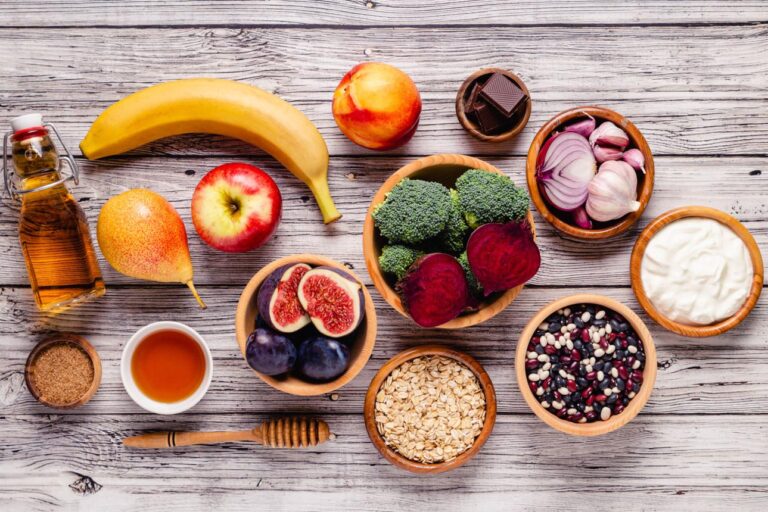
Additional Foods That Support Gut Health
While not all contain probiotics, these foods support healthy digestion:
- Bananas
- Oats
- Garlic
- Onions
- Chia seeds
These foods contain prebiotics that help feed healthy gut bacteria.
Common Mistakes to Avoid
- Eating too much processed food
- ❌ Excess sugar intake
- ❌ Ignoring hydration
- ❌ Depending only on supplements
- ❌ Consuming probiotic foods inconsistently
Healthy Habits for Better Gut Health
💧 Stay Hydrated
Water supports digestion and nutrient absorption.
🚶 Exercise Regularly
Physical activity may help digestive function.
😴 Improve Sleep
Sleep quality affects gut balance.
🧘 Reduce Stress
Stress may negatively affect digestion.
Benefits of Probiotic Foods
- Better digestion
- Reduced bloating
- Improved gut balance
- Better nutrient absorption
- Support for overall wellness
Frequently Asked Questions (FAQ)
1. What are probiotic foods?
Probiotic foods contain beneficial bacteria that may support gut health and digestion.
2. Which probiotic food is best for beginners?
Plain yogurt and buttermilk are simple beginner-friendly options.
3. Can probiotics reduce bloating?
Some probiotic foods may help support digestion and reduce bloating.
4. How often should I eat probiotic foods?
Consistency matters more than large amounts. Small daily portions may help.
5. Are probiotic supplements necessary?
Many people can improve gut health through balanced eating and probiotic foods.
Conclusion
Healthy digestion starts with healthy habits.
- Adding probiotic foods to your routine may help:
- Improve digestion
- Support gut health
- Reduce bloating
- Improve overall wellness
You don’t need expensive solutions to start improving your gut health naturally.
Start small, stay consistent, and focus on balanced nutrition.
vijaysindhe.com is not a part of Facebook.com or Facebook Inc or Google.com or Google Inc. Additionally, vijaysindhe.com is not endorsed by Facebook.com or Facebook Inc or Google.com or Google Inc.