Discover common signs of poor gut health and simple natural ways to improve digestion, energy, and overall wellness.
Introduction
Do you often feel bloated, tired, or uncomfortable after eating?
Many people experience digestive issues without realizing their gut health may be the reason.
Your gut affects much more than digestion. It can influence:
- Energy levels
- Immunity
- Mood
- Skin health
- Overall wellness
When gut health becomes unbalanced, your body may start showing warning signs.
The good news?
👉 Simple lifestyle changes can naturally improve gut health over time.
In this guide, you’ll learn the most common signs of poor gut health and beginner-friendly ways to fix them naturally.
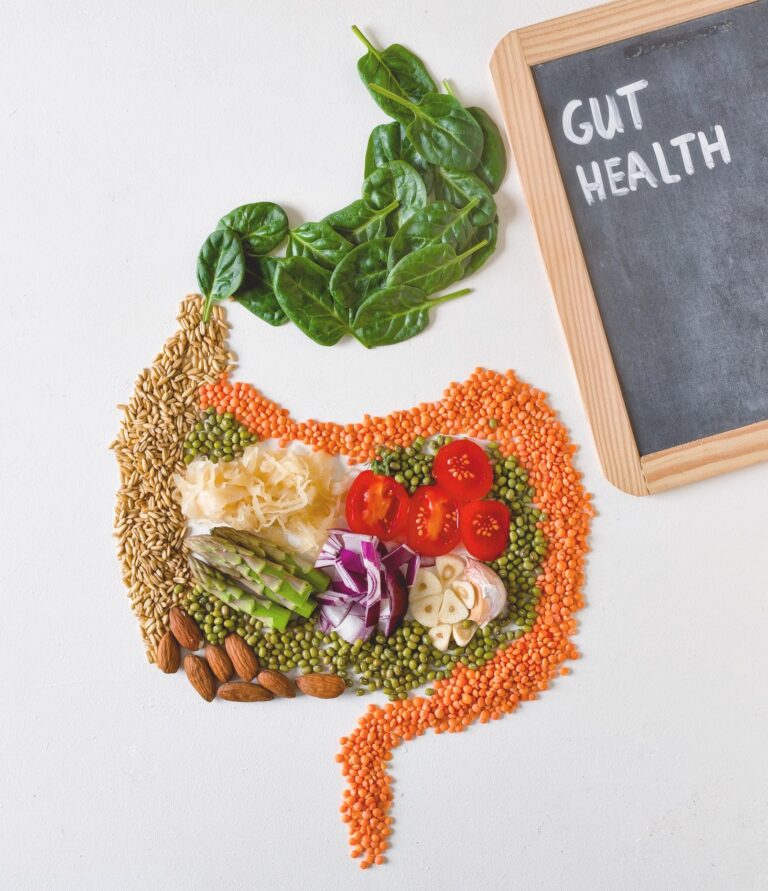
What Is Gut Health?
Gut health refers to the balance of bacteria and microorganisms inside your digestive system.
Some bacteria are helpful, while unhealthy lifestyle habits can increase harmful bacteria.
🔬 Scientific Reason:
A healthy gut microbiome helps with digestion, nutrient absorption, immunity, and communication between the gut and brain.
Poor gut balance may contribute to digestive discomfort and low energy.
1. Frequent Bloating
Bloating is one of the most common signs of poor gut health.
Possible Causes:
Poor digestion
Excess processed foods
Eating too quickly
👉 Increase fiber gradually and stay hydrated.
😴 2. Low Energy Levels
Poor gut health may affect nutrient absorption and overall energy.
Helpful Tips:
Eat balanced meals
Improve sleep quality
Reduce sugary foods
🚽 3. Constipation or Irregular Digestion
Digestive imbalance may affect bowel movement regularity.
Ways to Improve:
Drink more water
Eat fiber-rich foods
Exercise regularly
🍔 4. Frequent Sugar Cravings
Unhealthy gut bacteria may influence cravings for processed foods and sugar.
👉 Replace sugary snacks with healthier alternatives like fruits and nuts.
😟 5. Increased Stress or Mood Changes
The gut and brain are closely connected.
Stress Management Ideas:
Deep breathing
Meditation
Walking outdoors
👉 Managing stress may also support digestion.
🌡️ 6. Frequent Stomach Discomfort
Symptoms may include:
Gas
Cramping
Digestive discomfort
👉 Avoid overeating and processed foods.
🍕 7. Poor Diet Habits
A diet high in processed foods and low in fiber may negatively affect gut bacteria.
Better Food Choices:
Vegetables
Fruits
Whole grains
Yogurt
😴 8. Poor Sleep Quality
Sleep and gut health are strongly connected.
👉 Aim for:
7–8 hours of sleep
A consistent bedtime routine
💧 9. Dehydration
Low water intake may slow digestion.
👉 Drink water consistently throughout the day.
🍎 10. Frequent Processed Food Consumption
Highly processed foods may negatively affect gut bacteria diversity.
👉 Focus more on whole foods and balanced meals.
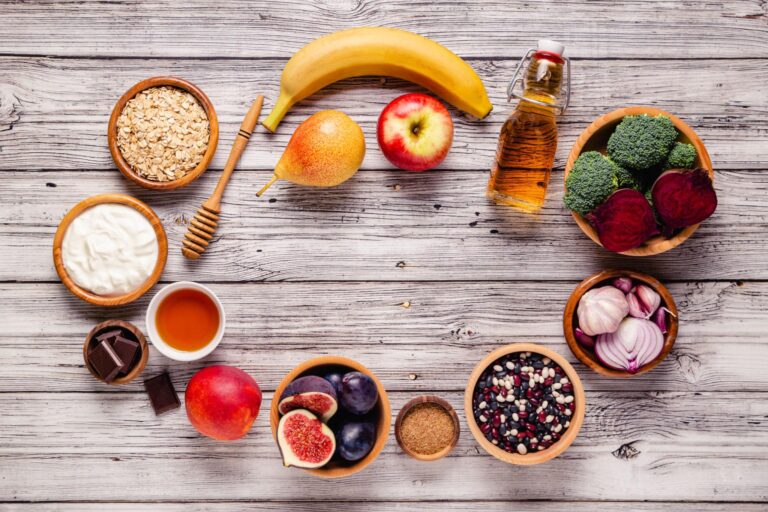
Natural Ways to Improve Gut Health
Eat More Fiber
Fiber supports healthy gut bacteria.
Good Sources:
Oats
Fruits
Vegetables
Seeds
🥛 Add Probiotic Foods
Probiotics may support gut balance.
Examples:
Yogurt
Kefir
Fermented foods
🚶 Stay Active
Regular movement may improve digestion and circulation.
Easy Activities:
Walking
Yoga
Stretching
💧 Stay Hydrated
Water supports digestion and overall wellness.
🧘 Reduce Stress
Stress management may help improve digestive comfort.
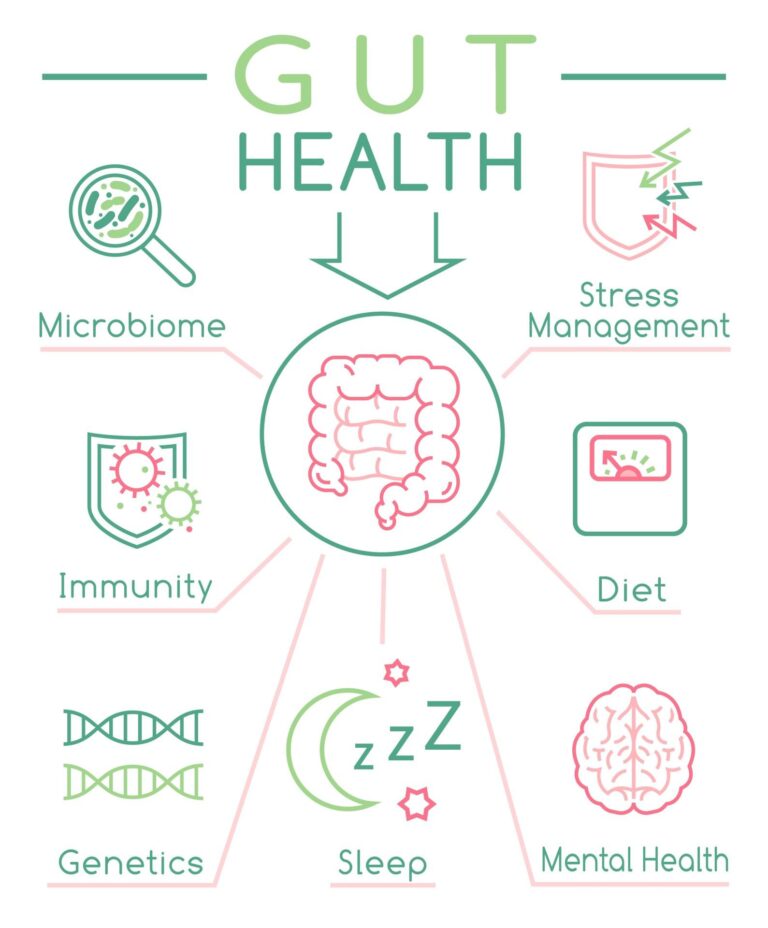
Common Mistakes to Avoid
- ❌ Excess sugar intake
- ❌ Lack of sleep
- ❌ Poor hydration
- ❌ Too much processed food
- ❌ Ignoring stress levels
Benefits of Better Gut Health
- Improved digestion
- Better energy levels
- Reduced bloating
- Better immunity
- Improved overall wellness
Frequently Asked Questions (FAQ)
1. What are common signs of poor gut health?
Bloating, constipation, fatigue, and digestive discomfort are common signs.
2. How can I improve gut health naturally?
Healthy eating, hydration, sleep, exercise, and stress management can help.
3. Are probiotics helpful for digestion?
Yes, probiotics may support healthy gut bacteria.
4. Does stress affect gut health?
Yes, stress can negatively affect digestion and gut balance.
5. How long does it take to improve gut health?
Consistent healthy habits may improve digestion over several weeks.
Conclusion
Your gut health affects more than just digestion.
Simple healthy habits like:
👉 Eating better
👉 Drinking more water
👉 Sleeping well
👉 Managing stress
can help improve gut health naturally over time.
You don’t need perfection—just consistency.
Start small and build healthier habits daily.
vijaysindhe.com is not a part of Facebook.com or Facebook Inc or Google.com or Google Inc. Additionally, vijaysindhe.com is not endorsed by Facebook.com or Facebook Inc or Google.com or Google Inc.