Why Jeju Island Is Trending: The Health Secrets Behind Korea’s Natural Wellness Paradise
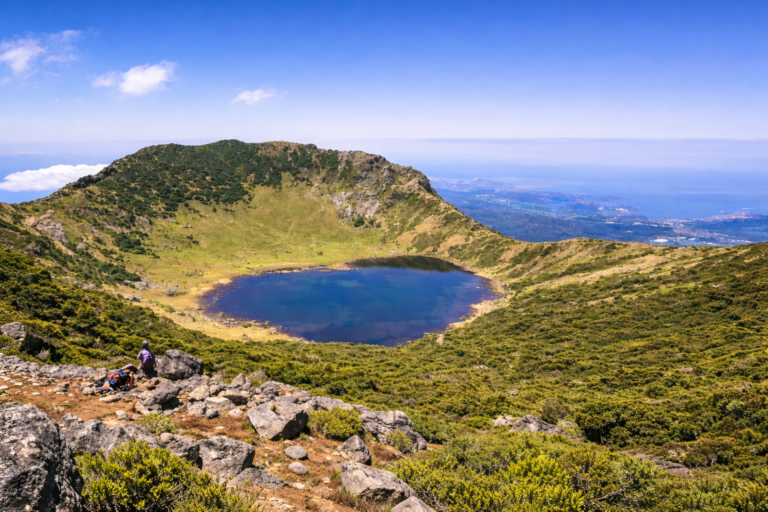
In the past 24 hours, Jeju Island has surged in global search trends. While the island is already famous for its volcanic landscapes and scenic beaches, recent discussions have highlighted another fascinating reason for its popularity — health and longevity.
Researchers and health experts are increasingly studying the unique lifestyle and environment of Jeju residents to understand how they maintain strong cardiovascular health and long lifespans.
The Unique Health Culture of Jeju Island
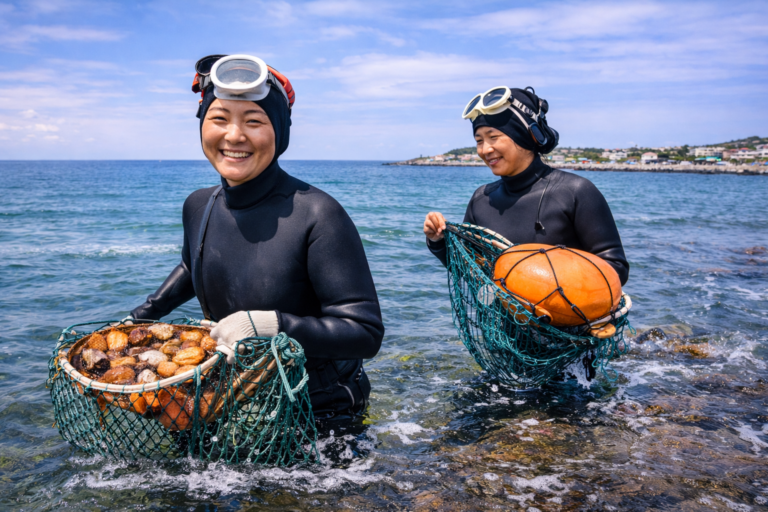
One of the most fascinating health phenomena on the island involves the traditional female divers known as Haenyeo.
These divers harvest seafood by free-diving without oxygen tanks, sometimes well into their 60s and 70s. Scientists studying these divers have discovered remarkable physiological adaptations that help them withstand extreme underwater conditions.
Research indicates that some Jeju Islanders have genetic traits that help regulate blood pressure during diving, potentially reducing risks of stroke and other cardiovascular conditions.
These findings have attracted global medical interest because such adaptations could provide insights into treating chronic diseases like hypertension.
Natural Environment That Supports Better Health
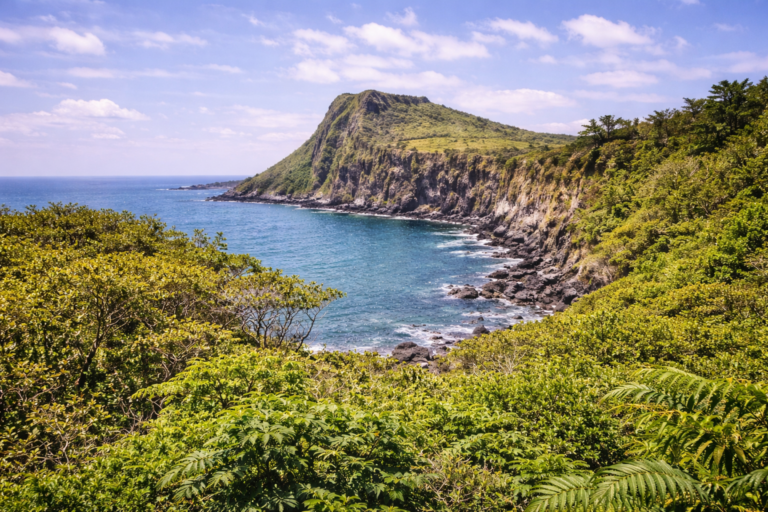
Another factor contributing to Jeju’s health reputation is its environment.
Unlike highly urbanized cities, the island offers:
Clean ocean air
Dense forests and volcanic landscapes
Low industrial pollution
Scientific studies show that cleaner air significantly improves public health outcomes, especially among older populations.
The island’s unique ecosystem also includes the Gotjawal forest, a rare volcanic forest biome that helps regulate the island’s climate and water systems
Active Lifestyle: A Key to Longevity

Residents of Jeju typically maintain a highly active lifestyle.
Popular activities include:
Hiking on volcanic trails
Coastal walking routes such as the Jeju Olle Trail
Fishing and diving
Farming and outdoor work
Regular physical activity combined with fresh seafood and plant-based foods contributes to overall cardiovascular health.
Traditional Diet That Supports Wellness

The local diet in Jeju is another reason researchers believe the island’s residents enjoy better health outcomes.
Key elements of the Jeju diet include:
Fresh seafood rich in omega-3 fatty acids
Seaweed and marine vegetables
Green tea grown on the island’s plantations
Visitors can even explore tea culture at the O’Sulloc Tea Museum, where locally grown tea is celebrated for its antioxidant properties.
Why Health Experts Are Paying Attention
Jeju Island is becoming a natural laboratory for studying how environment, lifestyle, and genetics interact to influence human health.
Researchers studying Jeju communities hope their findings could help:
Prevent cardiovascular diseases
Improve blood pressure management
Develop treatments inspired by natural physiological adaptations
The health profile of Jeju residents has already sparked global interest in medical and longevity research.
Why Jeju Island Is Trending Now
The rising trend around Jeju Island comes from a combination of factors:
Scientific studies on the health of Jeju divers
Social media travel trends
Growing global interest in longevity and wellness tourism
Increased attention to natural environments that promote health
As people search for healthier lifestyles, destinations like Jeju Island are becoming symbols of natural wellness and longevity.
Conclusion
Jeju Island is more than just a travel destination, it is a place where nature, culture, and health intersect.
From the remarkable endurance of Haenyeo divers to the island’s clean environment and traditional diet, Jeju offers valuable lessons about how lifestyle and nature can shape human health.
As wellness tourism continues to grow worldwide, Jeju Island is likely to remain a trending topic in global searches.
vijaysindhe.com is not a part of Facebook.com or Facebook Inc or Google.com or Google Inc. Additionally, vijaysindhe.com is not endorsed by Facebook.com or Facebook Inc or Google.com or Google Inc.